|
Explanation of Digestive Enzymes
Protease Enzymes
Magnesium Levels & Undigested Proteins
Calcium & Undigested Proteins
Amylase Enzymes
Lipase Enzymes
Cellulase Enzymes
Lactase Maltase & Sucrase Enzymes
REFERENCES
Rich Distributing Enzymes Plus Intestinal Flora
Protease Enzymes: Digest Proteins
- very important
Protease enzymes hydrolyze large protein molecules into smaller
polypeptides and amino acids. Human and animal studies have
provided irrefutable evidence that proteolytic enzymes,
preferably taken on an empty stomach, can and are absorbed
intact from the gastrointestinal tract into the undesirable and
often detrimental protein factions in the extra-cellular fluids.
In particular, this increased proteolytic activity has been
found to help reduce the effects of acute inflammation. When
there is cellular injury, insoluble fibrin clots develop at the
periphery of the inflamed area, enclosing the damaged tissue
preventing the migration of disease-causing agents of toxins to
other areas of the body. During the reparative process, serum
proteolytic enzymes, known as plasmins, begin breaking down the
fibrin clots into smaller, soluble peptides and amino acids.
Although the immediate fibrin deposits is one of the most
important defense mechanisms in the body, an imbalance between
the number of fibrin clots formed and the amount of piasmin
present to dissolve the clot has been found to cause exaggerated
inflammatory symptoms such as more extensive edema; more pain;
complete stoppage of circulation to the area; a delay of the
phagocytic stage of inflammation; and delayed healing with
excess scar formation. Proteolytic enzymes given to human
subjects suffering from inflammation; and delayed healing with
excess scar formation. Proteolytic enzymes given to human
subjects suffering from inflammation have experienced a dramatic
resorption of the edemic fluid and relief of the heat, redness,
swelling from inflammation have experienced a dramatic
resorption of the edemic fluid and relief of the heat, redness,
swelling and pain. Protease supplementation has been shown to be
beneficial for acute inflammation involving soft tissue (sports
injuries), bones, respiratory tract or the ears, nose, throat,
and/or gums.
Protease Enzymes:
A Boost To The Immune System
Adequate proteolytic activity in the bloodstream is vital to a
healthy immune system. Human lymphocytes have proteolytic
enzymes bound on the surface of their cell membranes which are
capable of digesting the protein components of various
pathogens. In addition, lymphocytic proteases have an increased
affinity for infected cells due to the presence of foreign
proteins in the cell membrane. Immunological studies have shown
that oral administration of proteolytic enzymes increases
antibody and lymphocyte production and so aid the immunological
response. Exogenous proteases exhibit a unique selectivity for
foreign non-living proteins. Normal, living cells are protected
against lysis by an inhibitor mechanism. Viruses are cell
parasites consisting of nucleic acids covered by a protein film
which do not show any of the characteristics of life until after
a successful cellular invasion. In vitro studies have found
that, during their extra-cellular phase, the viral envelope can
be hydrolyzed or at least inactivated by proteolytic activity
leading to a loss of infectivity of several types of viruses in
man including six different influenza Type A viruses and cold
viruses. Although bacteria and parasites cannot be inactivated
directly be exogenous proteolytic enzymes (due to the protective
mechanism in their cell membranes), these enzymes can breakdown
undigested protein, cellular dedris and toxins in the blood. For
example, proteases can hydrolyze undigested dietary protein that
enters the blood through openings made in the intestinal wall by
the toxins and mycelia of Candida yeast. Supplementation of
high-potency proteases allows the immune system to focus its
full attention upon the bacterial or parasitic invasion.
The Problem With Undigested Proteins -
Low Magnesium Levels
The inability to properly digest protein can negatively affect
many metabolic processes of the body. Protease supplementation
helps the body utilize protein to produce hormones and to carry
calcium to structural tissue and the nervous system. In a
healthy nervous system, calcium and protein are integrally
involved in the release of neurotransmitters which propagate
transmission of nerve impulses. Magnesium concentrations in the
extra-cellular fluids determine how much calcium may enter a
nerve cell. When extra-cellular levels of protein, calcium and
magnesium are low, irregular nervous reactions or anxiety can
result. Magnesium also plays a vital role in maintaining mental
and emotional balance by regulating the formation of the brain
neurotransmitter dopamine and by promoting the formation of
beneficial Prostaglandins. Proper protein, calcium and magnesium
assimilation is imperative to the improvement of the
irritability, anxiety and other psychological imbalances
associated with PMS and menopause. In addition, studies have
shown that people suffering from fungal infestations such as
Candidiasis tend to be deficient in magnesium.
Protein Digestion Leads To Better
Calcium Utilization
Calcium ions initiate and control muscle fiber contractions. A
decrease in ionized serum calcium results in severe intermittent
spastic contractions of the muscle known as tetany. As protein
utilization is improved, more calcium ions are bound by
circulating proteins thus educing the extra-cellular calcium ion
concentration. To avoid the possibility of a tetanic response,
it is necessary to supplement calcium when taking high-potency
protease enzymes. We should note that drinking ionized alkaline
water produced by our alkaline water ionizers may eliminate the
need to supplement on calcium. Readily-soluble Calcium and
Magnesium are included in Rich Distributing's Enzymes Plus
Intestinal Flora to prevent the complications that could result
from a deficiency of dietary calcium and/or magnesium.
In addition to Protease,
cellulose, lipase and amylase are provided in Rich
Distributing's Enzymes Plus Intestinal Flora formula to help
utilize other important food nutrients.
Return to Rich Distributing Enzymes Plus Intestinal Flora page
Amylase Enzymes
Amylase enzymes hydrolyze or digest large polysaccharide
molecules, commonly known as carbohydrates, into small
disaccharide molecules which are eventually reduced to the mono-saccharide,
glucose, before reaching the cell. Glucose is one of the
primaryraw materials used by the body in the production of
energy. The mitochondria in the cells transform glucose into
Adenosine Triphosphate (ATP), a high-energy compound that
release its energy to facilitate cellular function. Therefore,
when the body is deficient in amylase enzymes, it is also
deficient in its main source of energy, glucose.
According to the Gell and Coombs classification of
hypersensitivity reactions, Type I reactions result from the
release of pharmacologically-active substances such as
histamine, serotonin, slow reacting substance of anaphylaxis
(SRS-A) and eosinophilic chemotactic factor of anaphylaxis (ECF-A)
from Ige-sensitized basophils and mast cells after contact with
a specific antigen. These released substances cause vasodilation,
increased capillary permeability, smooth muscle contraction and
eosinophilia. This inflammatory response is usually manifested
in those organ systems of the body which come in contact with
the outside world, most notably the respiratory tract and the
skin. Some of the clinical conditions in which Type I reactions
play a role include seasonal allergic rhinitis (hay fever),
extrinsic asthma, atopic dermatftis and urticaria/angicedema.
Inflammation caused by the release of histamine and similar
substances can also be triggered by trauma and acute or chronic
infections. The pharmacologically active substances that cause
an inflammatory response are stored in the granules of mast
cells or basophils until a stimulus prompts their release.
Neurohormones modulate the release of these substances. The
function of these neurohormones is controlled by cAMP and cGMP
systems within the cells.
The intracellular concentration of cAMP is a principal
determinant of both the inhibition of the release of several
chemical mediators, such as histamine, and the relaxation of
smooth muscles. The production of cAMP and cGMP requies adequate
ATP as a precursor. Therefore, when there is a deficiency of ATP
in the cell, insufficient c AMP and cGMP will be produced
causing imbalances in the neurohormone control of inflammation.
In a study reported in Health and Longevity, a significant
number of patients exhibiting skin conditions, such as
dermatitis, were found to have low blood levels of amylase.
High-potency amylase enzymes taken between meals will be
absorbed into the bloodstream to affect the digestion of
carbohydrates, providing glucose for the production of ATP and
its subsequent conversion to cAMP and cGMP.
In addition, amylase enzymes in the bloodstream may contribute
to the immunological attack on certain myxoviruses which are
enveloped in a coat composed principally of glycoproteins
(proteins bound to carbohydrates). These myxoviruses are known
to cause acute respiratory conditions and skin eruptions.
Return to Rich Distributing Enzymes Plus Intestinal Flora page
Lipase Enzymes
- Digest Fats
Lipase enzymes hydrolyze neutral fat (triglycerides) into
diglycerides, monoglycerides and, finally, glycerol and free
fatty acids. If fats are not properly digested, they cannot be
used by the body to provide:
A Source Of
Energy. Forty to
forty-five percent of the calories in the average American diet
are derived from fats, which is about equal to the calories
derived from carbohydrates. Therefore, properly-digested dietary
fats are needed as a source of immediate energy for basal
metabolism and to maintain stored energy for future metabolic
events. When carbohydrate metabolism is inadequate, the body
relies primarily on the metabolism of fat to supply its energy
requirements. This takes place in starvation and following a
high-fat meal when carbohydrate availability is reduced. Using
triglycerides as an energy source also occurs in cases of
diabetes because insulin deficiency impairs glucose transport
into cells. Triglyceride metabolism results in the formation of ketone bodies which cannot be properly oxidized in the absence
of carbohydrates. Excessive ketone bodies in the blood can have
an extremely acidifying effect and may overwork the body's
homeostatic excretion mechanisms resulting in kidney and
circulatory failure. Enhanced digestion of dietary triglycerides
can reduce the metabolism of stored fat thus lowering serum
ketones. Tryglycerides, composed of three fatty acids attached
to glycerol, offer an immediate replacement source of energy.
Glycerol is a short-chained carbohydrate which is easily
converted to glucose and absorbed into the bloodstream to supply
energy, sparing some of the body's fat reserves and reducing the
production of potentially harmful ketone bodies.
Prevent Cholesterol Deposits On Arterial Walls: Although the
exact cause of cholesterol deposits on arterial walls is
unclear, there is overwhelming evidence that it is associated
with how effectively dietary fat is metabolized. Proper
digestion of dietary fats can have a beneficial effect on
cholesterol and triglyceride metabolism. Short chain fatty acids
are absorbed directly into the blood and transported throughout
the body attached to blood protein. Long chain fatty acids, monoglycerides and diglycerides are reconverted into
triglycerides in the intestinal wall and surrounded with protein
to form chylomicrons and Very Low Density Lipoproteins (VLDLs).
These large transporter molecules carry the fat through the
lymph and blood circulation to the liver for metabolism.
Cholesterol is also incorporated into the chylomicrons and VLDLs.
VLDLs are potentially converted in the blood to Low Density
Lipoproteins (LDLs), the molecular complex responsible for
depositing cholesterol in the tissues, of major concern, the
arteries. Therefore, thorough digestion of dietary fats into
free fatty acids reduces the VLDL and subsequent LDL levels in
the blood. In addition, proper digestion of foods containing the
Omega-3 and Omega-6 oils is important in order to obtain
essential fatty acids, especially linolenic acid. This fatty
acids is the precursor for Prostaglandins in the E3 series
(PGE-3). PGE-3 are hormone like substances that have been shown
to reduce serum cholesterol and triglyceride levels as well as
platelet aggregation and thrombosis. Older persons who are more
prone to hardening of the arteries were found to have lower
lipase levels and hence poor fat absorption from the intestine.
Maintain Resilience and Lubrication of All Cells and Tissues:
Fatty substances combine with protein to form the lipid belayer
of cell membranes and internal fatty tissue serves as insulation
against heat loss and as a protective cushion for many tissues
and organs. In addition up to 20% of solids in fecal matter is
derived from the fat in sloughed epithelial cells. When dietary
fat is poorly digested, it will not be absorbed into the
epithelial cells of the digestive tract. Consequently, the stool
loses some of its natural lubrication from discarded epithelial
cells which, when compounded by low fiber in the diet, may
contribute to constipation.
Facilitate The Metabolism of Essential Nutrients.
Fat-soluble
vitamins A, D, E and K need dietary fat to be absorbed and
transported. Properly digested fats work with these and other
nutrients to perform life-supporting functions in the human
body.
The Need For Enzymes:
Today's "fast-food", refined diet is
essentially devoid of high-fiber foods. They have been replaced
with foods higher in fat, a trend increasingly associated with
serious health problems. Dietary fiber consists of cellulose
fibrils cemented together with a mat6x of other substances
including hemicelluloses, pectin, lignin, and gums. Studies have
shown that hemicelluloses, increase the bulk, softness and
transit time of stools; pectin reduce the amount of fat the body
can absorb reducing blood fat levels; lignins bind excess bile
acids produced in response to a high-fat diet preventing their
metabolism into toxins by colon microflora; and certain gums
reduce the rate of glucose absorption helping to pace the
postprandial rise in blood sugar levels. In the digestive
process, exogenous cellulose enzymes help release these
beneficial components from dietary fiber. Only modest amounts of
cellulose are included in this formula because the additional
glucose obtained from complete digestion of cellulose would not
be desirable in cases of poor sugar and/or fat metabolism. In
addition to lipase and cellulose, protease and amylase are
provided in Rich Distributing's Enzymes Plus Intestinal Flora
formula to help utilize other important food nutrients.
Return to Rich Distributing Enzymes Plus Intestinal Flora page
Cellulase Enzymes
Cellulase enzymes hydrolyze cellulose fibers into smaller
fragments ultimately releasing glucose. The human digestive
system does not secrete enzymes capable of breaking down
cellulose, so dietary fiber moves through the digestive tract
essentially intact unless the enzyme, cellulose, is present in
the diet. Cellulase is found naturally in all raw fruits,
vegetables and whole grains but is missing in those that are
cooked or processed. Even if these raw foods are consumed with
cooked or processed vegetables or grains, there will not be
absorbed into the body. Human and animal studies have provided
irrefutable evidence that enzymes can and are absorbed intact
from the gastrointestinal tract into the blood stream under
normal conditions. Thus, exogenous cellulose can help the body
utilize fiber fragments in the extra-cellular fluids. Cellulase
deficiencies are often overlooked, yet a lack of cellulose can
mean poor digestion of plant foods and less than optimal
absorption of nutrients in the intestines.
Dietary fiber consists of cellulose fibrils cemented together
with a matrix of other substances (soluble fiber) including
hemicelluloses (non-cellulosic polysacchrides), pectin, lignin
and gums. Exogenous cellulose enzymes help release these
beneficial components from dietary fiber. Of particular
interest, pectins tend to bind heavy metals and organic toxic
substances reducing their absorption into the body. This
property can reduce the effects of food allergies and metal
toxicity. In addition, studies have shown that hemicelluloses
increase the bulk, softness and transit time of stools by
increasing their ability to bind water.
Return to Rich Distributing Enzymes Plus Intestinal Flora page
Lactase, Maltase, and Sucrase Enzymes
Ideally, the mucosal cells lining the small intestine secrete
three digestive enzymes: sucrase, lactase and maltase. These
enzymes, collectively known as disaccharidases, render dietary
carbohydrates small enough to pass through the wall of the small
intestine into the bloodstream to be used by the body as a
source of energy for metabolic processes. Sucrase primarily
digests sucrose (refined sugar) into glucose and fructose.
Lactase digests lactose (milk sugar) into glucose and galactose.
Maltase digests maltose, a product of starch digestion, into
glucose. A deficiency of one or more of these
disaccharide-splitting enzymes may be due to genetic influences,
irritation or abnormality of the intestinal wall, and/or
exhaustion of the body's ability to produce the enzyme(s).
Disaccharidase deficiencies are generally charaterized by
intestinal distress following ingestion of foods containing the
ofending sugar or starch. Diarrhea is due to the increased
number of un-split disaccharide molecules remaining in the
intestinal lumen which are osmotically retaining fluid. Bloating
and flatulence are caused by the production of gas (CO and H)
from the bacterial fermentation of disaccharide residues in the
lower small intestine and colon.
Lactase deficiency has received the most attention of the
disaccharide - splitting enzyme deficiencies. Most mammals,
including humans, have high intestinal lastase activity at
birth. But, in some cases, this activity declines to low levels
during childhood and remains low in sdulthood. The low lactase
levels cause maldigestion of milk and other foods containing
lactose. It is estimated that approx. 70% of the world's
population is deficient in intestinal lactase with more that
one-third of the U.S. population presumed to be unable to digest
dairy products. Although not as well-recognized as lactase
deficiencies, sucrase deficiencies may explain the increasing
inability of many people to handle the sucrose in the modern,
refined diet can exhaust the body's ability to produce sucrase
enzymes as well as the body's supply of nutrients needed for
carbohydrate metabolism. Chronic constipation in individuals
consuming a highly refined carbohydrate diet may be at least
partially explained by the absorption of excess sucrose into the
bloodstream pulling water with it from the intestinal tract to
maintain osmotic balance. Adding disaccharidase enzymes to the
diets of those individuals suffering from a sucrase, lactase
and/or maltase deficiency can help them more fully realize the
nutritional benefits from carbohydrate containing foods.
The human digestive system does not secrete enzymes capable of
breaking down cellulose, so dietary fiber moves through the
digestive tract essentially intact unless the enzyme, is present
in the diet. Cellulase deficiencies are often overlooked, yet a
lack of cellulose can mean poor digestion of raw plant foods and
less than optimal absorption of nutrients in the intestines.
Cellulase digests cellulose into glucose and is naturally found
in raw fruits, vegetables and whole grains. Many starches and
other nutrients in these uncooked foods are coated with
cellulose. Unfortunately, most people do not chew raw food
thoroughly enough to activate the cellulose naturally present in
the food. This means many nutrients in these foods are not
released from the cellulose and, therefore, cannot be fully
utilized by the body. In addition to improving intestinal
absorption of nutrients, supplemental cellulose enzymes can
enhance the boby's utilization of fiber to normalize bowel
activity.
Many people who cannot tolerate carbohydrates in their turn to
protein as their primary source of energy as 56% of protein
intake i converted to glucose. Since high protein diets rarely
contain the full spectrum of nutrients, many vitamins and
minerals are depleted in the body's attempt to metabolize
excessive amounts of protein resulting in multiple nutritional
deficiencies.
The bottom line is that you need enzymes.
Return to Rich Distributing Enzymes Plus Intestinal Flora page
REFERENCE LIST
-
Guyton, Arthur C.,
Textbook of
Medical Physiology, Eight Edition, Philadelphia,
Penn, W. B. Saunders Co., 1991.
-
Tortora, Gerard J.,
Principles of
Human Anatomy, Third Edition, New York, N.Y., Harper
and Row, 1983
-
Donovan, Edward W.,
Essentials of
Pathophysiolgy, New York, N.Y., Macmillan Publishing
Company, 1985.
-
Morter, M.T., Jr.,
Correlative
Urinalysis, Rogers, Ark., Best Research, Inc., 1987
-
Johnson, Leonard R., ed.,
Gastrointestinal Physiology, Fourth Edition, Saint
Louis, Mo., Mosby Year Book, 1991.
-
Lopez, D.A., M.D., Williams, R.M.,
M.D., Ph.D., Miehlke, M., M.D., Enzymes The Fountain
of Life, Charlston, S.C., The Neville Press, 1994.
-
Wolf, Max, M.D., Ransberger, Karl,
Ph.D., Enzyme Therapy, Los Angeles, Cal., Regent
House, 1977.
-
Howell, Edward, M.D.,
Enzyme
Nutrition, Wayne, NJ., Avery Publishing Group, Inc.,
-
Howell, Edward, M.D.,
Food Enzymes
for Health and Longevity, Twin Lakes, Wis., Lotus
Press, 1994
-
Price, Weston A., D.D.S.,
Nutrition and Physical Degeneration, La Mesa, Cal.,
Price-Pottenger Nutrition Poundation, Inc., 1970.
-
Pottenger, Francis M., Jr., M.D.,
Pottenger's Cats, A Study In Nutrition, La Mesa,
Cal., Price Pottenger Nutrition Foundation, Inc., 1983.
Return to
Rich Distributing Enzymes Plus Intestinal Flora page
Return to Enzyme Page
E3Live Enzymes
|
Vitalzym
Other Rich Distributing's Products:
Rich MSM Powder|Rich MSM Capsules |Rich MSM Torpedo Tablets|Vegetarian Glucosamine|Rich's Diabetic/Prostate Relief|Rich Digestive Enzymes Intestinal
Flora!|MSM
Water Drops|Rich MSM CMO Cream|Rich's CMO Capsules|MSM
Water Flush|Rich MSM Lotions|Rich MSM Soaps
& Shampoos,
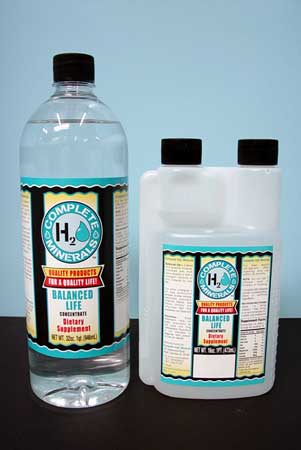
Complete H2O Ionic Mineral Waters

How do we ship so
fast?
1. We are committed to rushing
you order to the Post Office on the day you place your order if at all
possible.
2. We use Priority Mail
or First Class Mail from the Post Office, not snail mail from UPS Ground
taking as much as 5 to 6 days.
3. Best of all -
Get Free
Shipping with orders over $100.00.
Our customers love it!
Rich Distributing's MSM Success Stories
Product Categories:
Far Infrared |
Exercise
|
Sleep Aid
| Water
Filtration
|
Air Filtration
| Test Kits
|
Supplements
|
Books
| EMF
|
Juicers
|
Skin Care
|
911 | Internet Partners
Kangen
Water |
Contact
Us |
Internet
Partners |
Return
Policy |
Disclaimer
Copyright 2018, MicroWaterMan.com, All Rights Reserved
|


































 Reduce Electric Bill & EMF Pollution